
Do I need a... Brand Book?












Success is no longer determined by who has the biggest advertising budget or the most recognisable logo. It’s determined by who makes the greatest emotional connections.

Unified
identity
Brand books communicate a variety of things about your brand, both internally to your organization or business, as well as externally to your partners, affiliates and the general public.
What components a brand guidelines contains is not standard across the industry, but the most discernible organizations utilize brand guidelines as a resource for everyone to understand how to represent their brand.
Brand guidelines are a very useful resource when re-branding or starting a new company as a way of communicating with current and prospective customers within your target audience.
They are a set of rules to create a unified identity when connecting multiple elements within your brand, such as colors, your logo, and your typography.
What's
inside?
Brand guidelines can contain sections on:
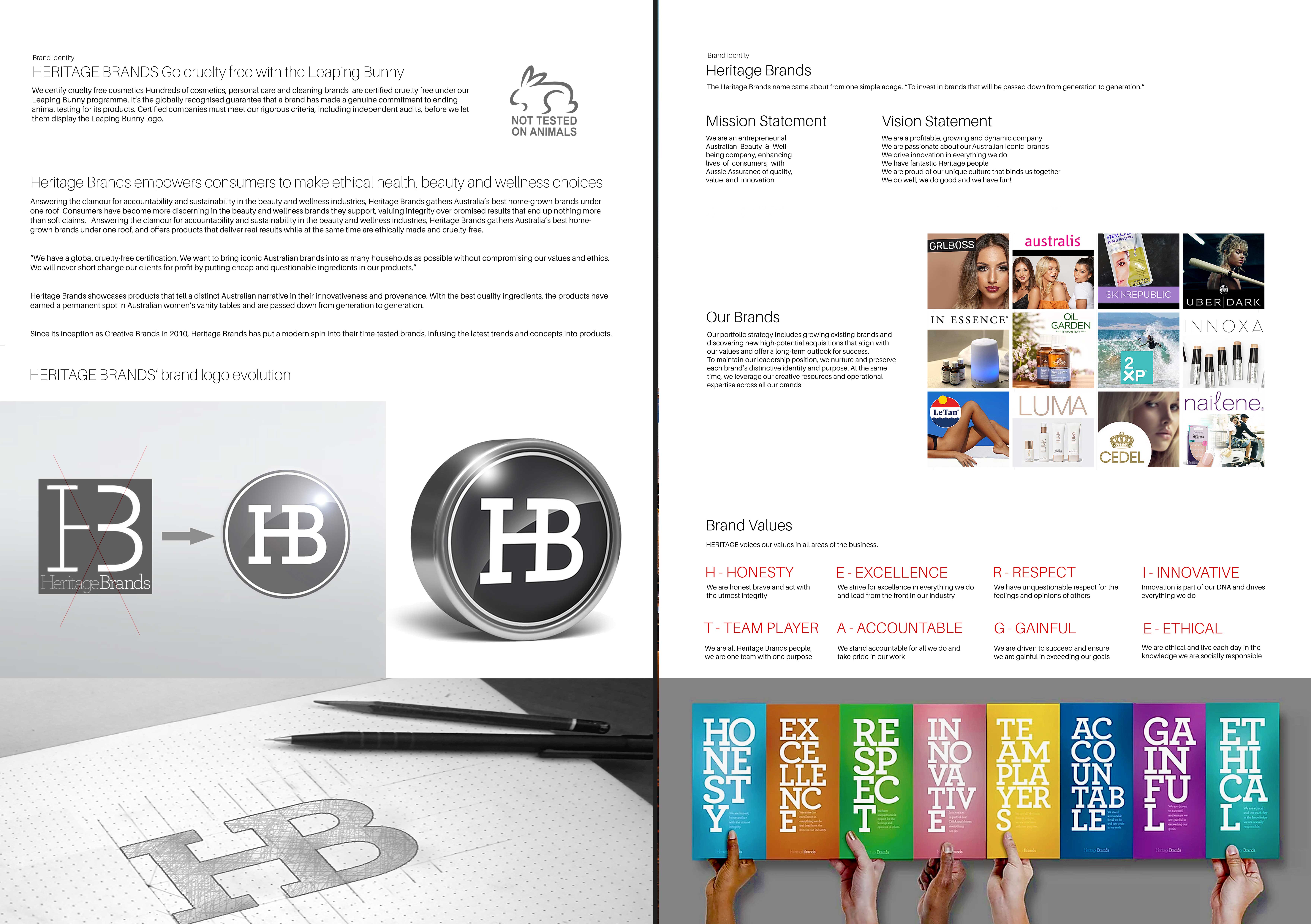
- • Your brand identity (mission, core values, personality, tone, elevator pitch, etc.)
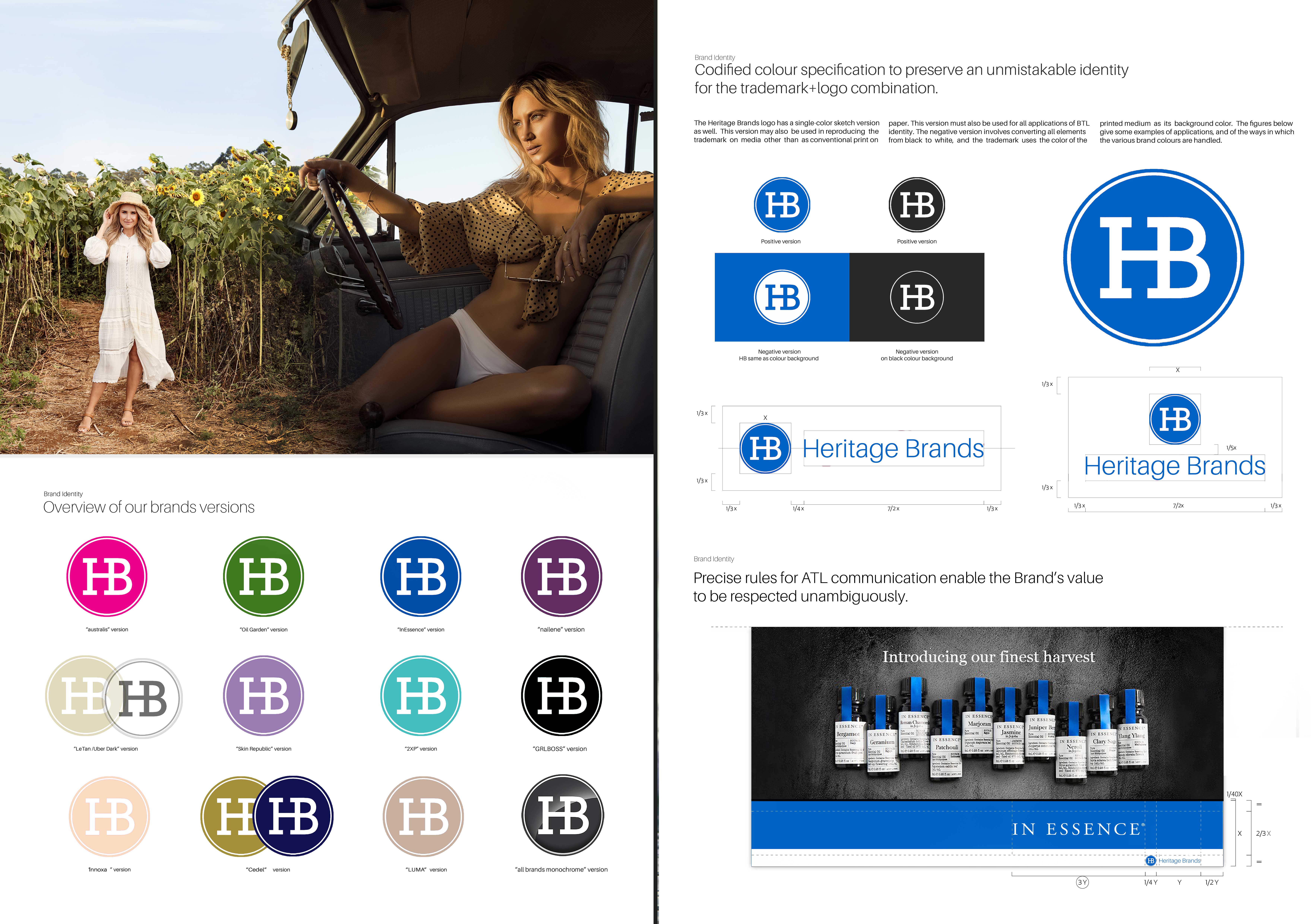
- • Your brand assets and the appropriate use of them (logo, color palette, typeface, spacing, backgrounds, etc.)
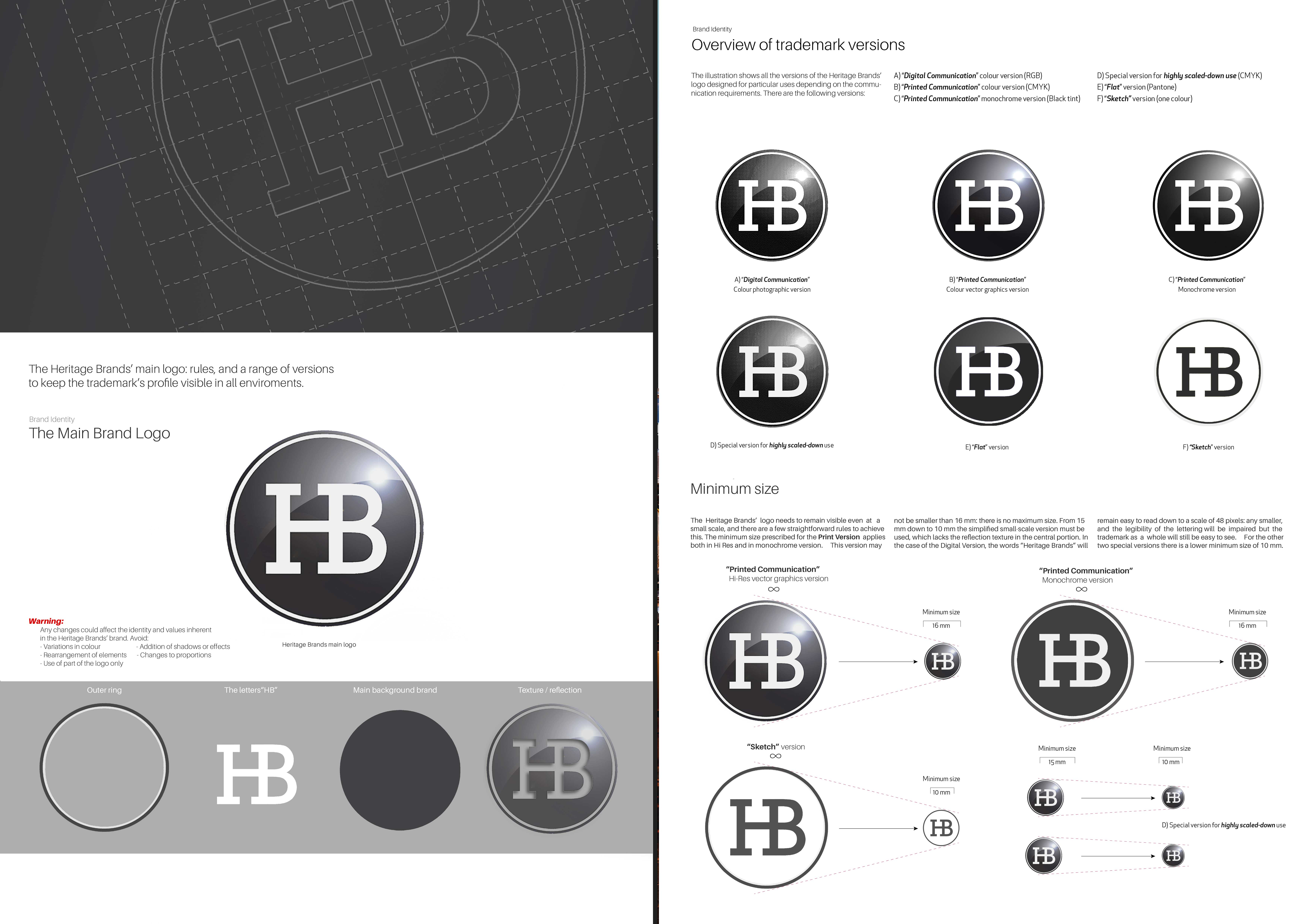
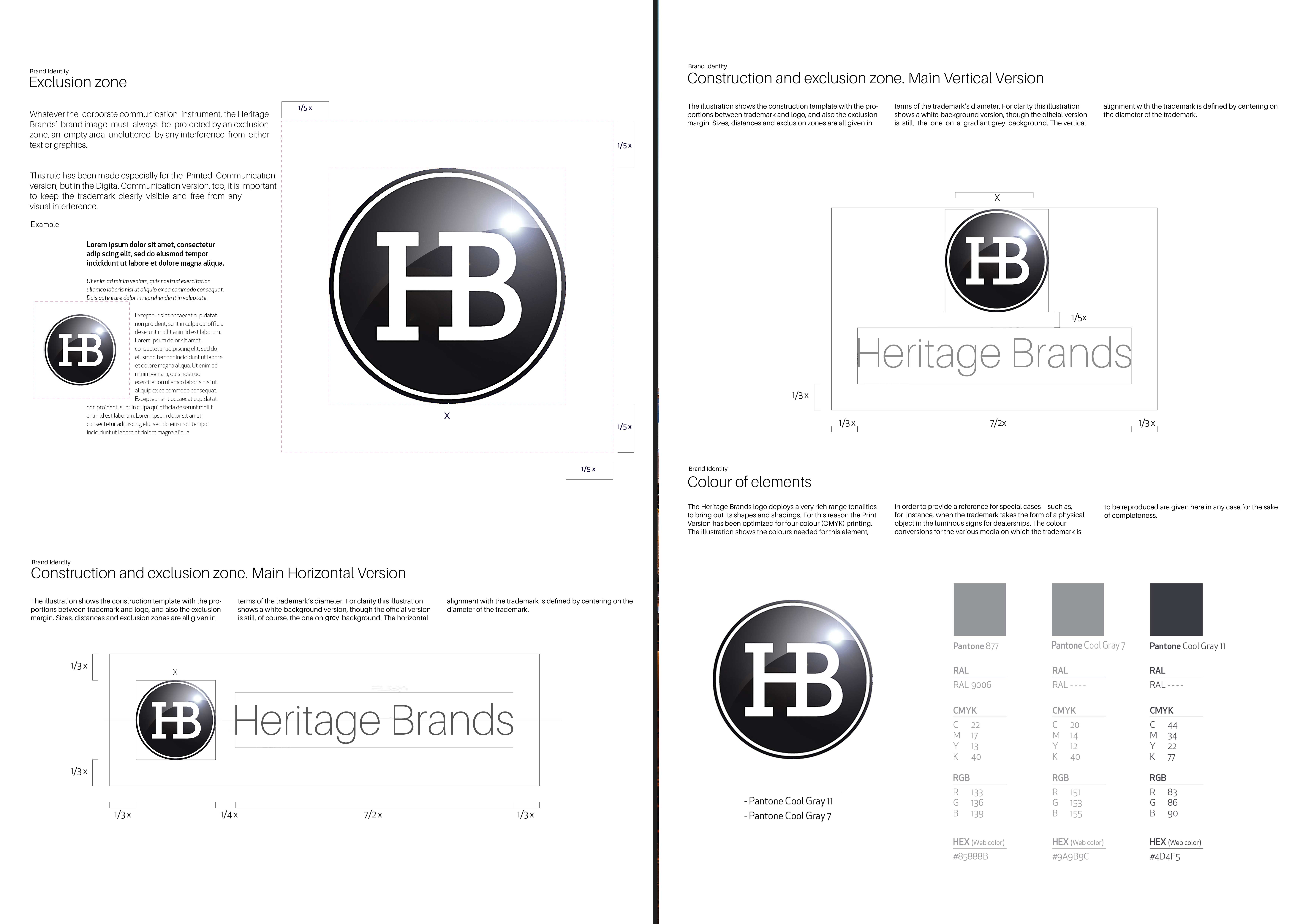
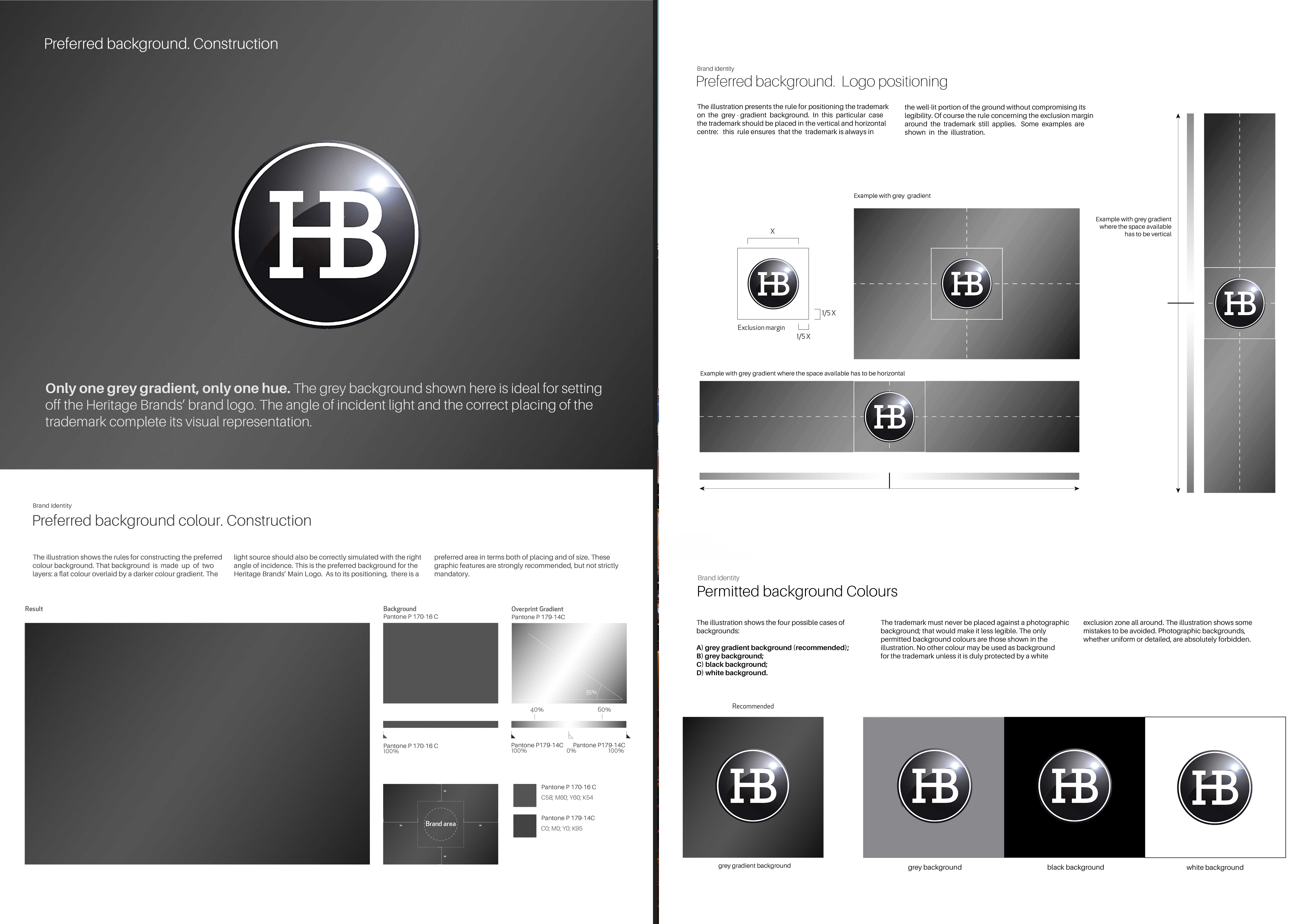
Heritage Brands Corporate Identity



What is
included in
brand
guidelines?
Colour Palette
These are the colours that make up your brand. It can be wise to not use too many colour options. Brand guidelines should include RGB and CMYK colour codes, so your colours stay consistent between web and print formats.
Typography
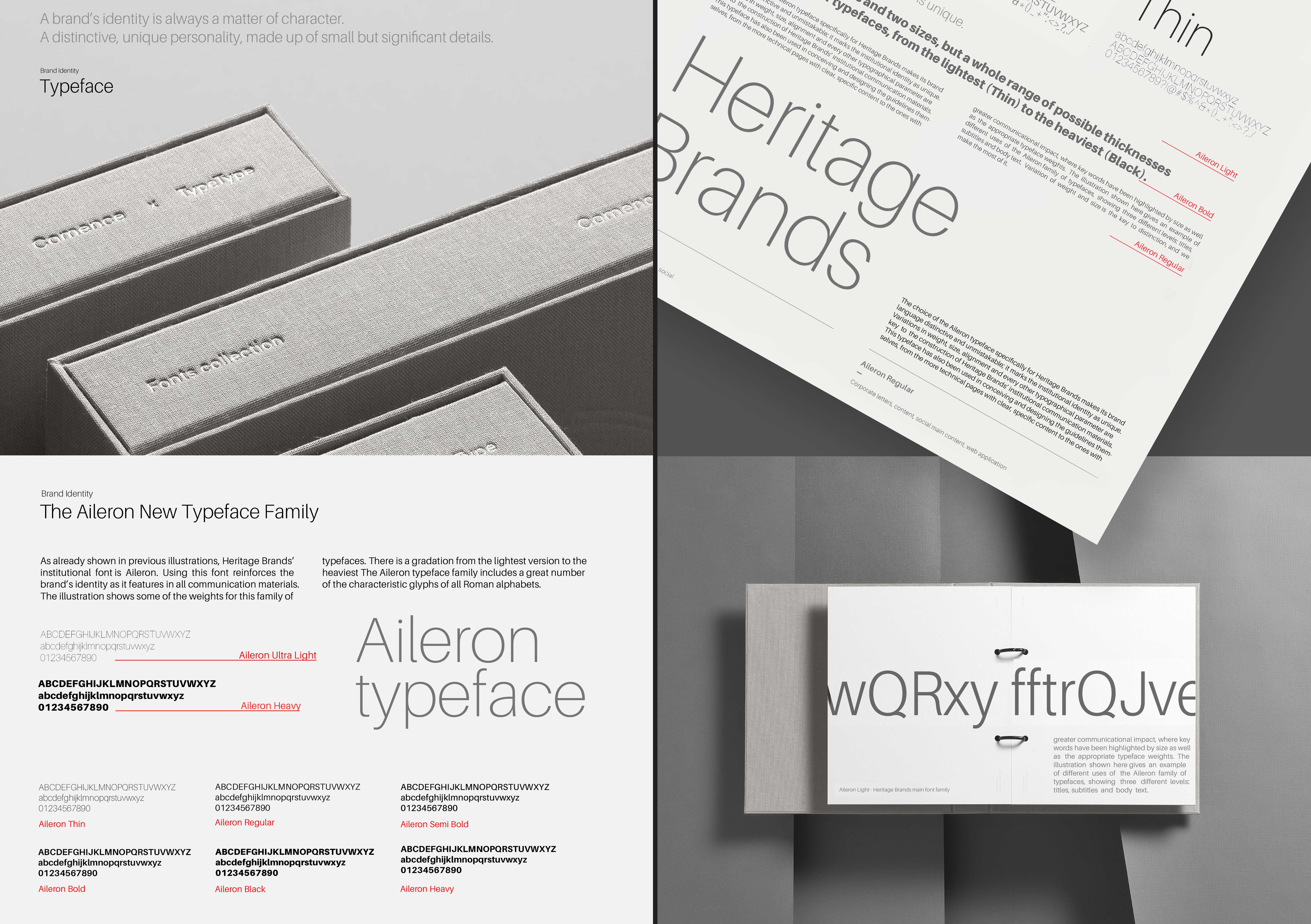
Brand guidelines will include typefaces and families, font sizes, and the hierarchy of the fonts your brand uses.
Logo Design
How your logo should be displayed in different formats is an important part of your guidelines. This could include size restrictions, which colors to use, and how your logo should be displayed on different backgrounds. Sometimes it can be beneficial to show how logos should NOT be displayed–seeing your logo stretched in odd ways or put on difficult-to-read backgrounds is not ideal.
Additional Elements:
Imagery
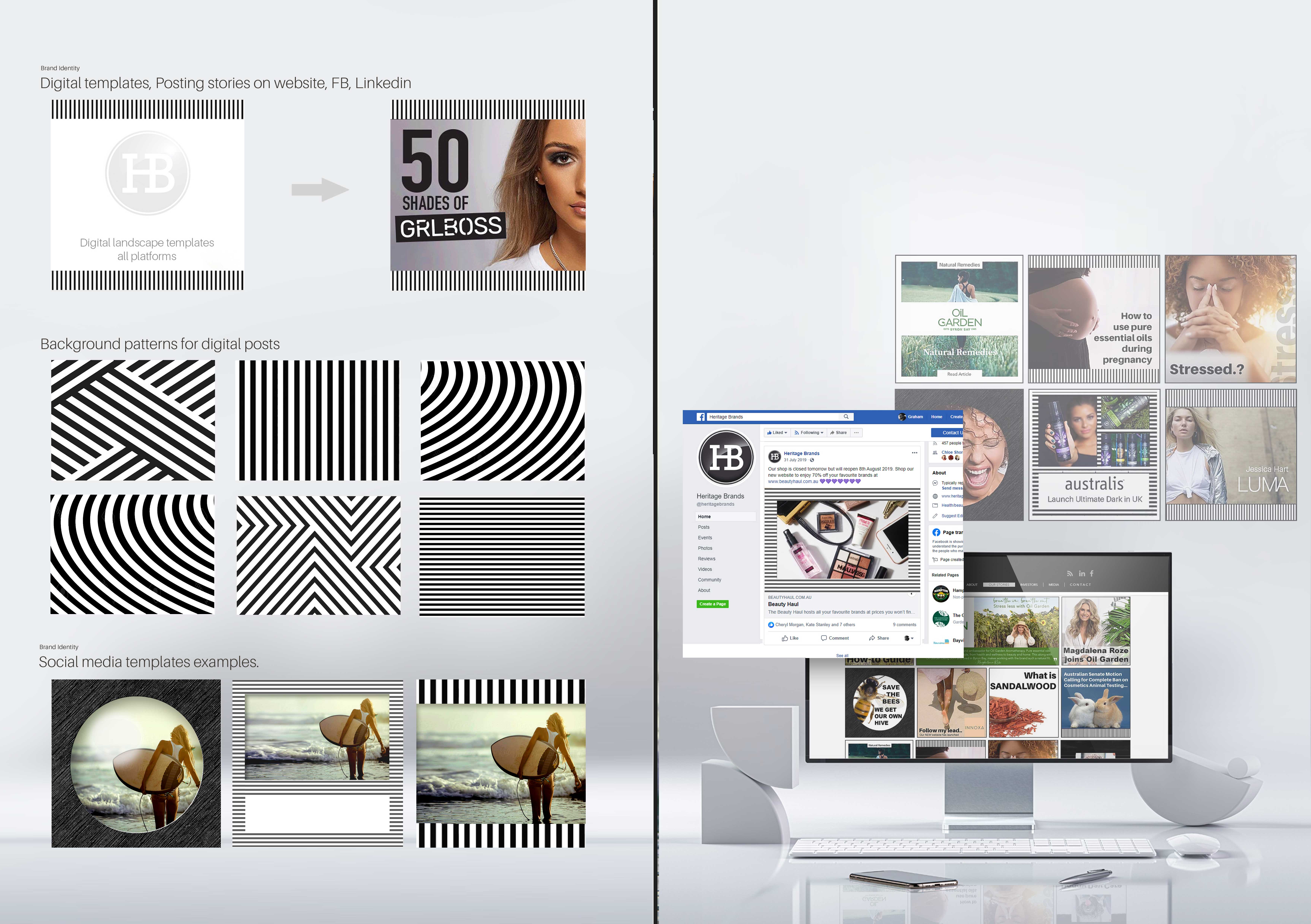
Imagery could include the style of photographs, word-marks, or icons your company uses on your website or marketing materials.
Brand Tone
Brand tone refers to the words that your company chooses to use in order to show your brand’s values and personality.
5 Compelling Reasons to Have Brand Guidelines
Consistency
Every time someone visits your website, sees your business card, or receives marketing material from your company, they receive a perception of your company outside of the content they actually consume. By having set rules and restrictions, it becomes possible to communicate a consistent brand identity.
Consistency is important in making your brand recognizable and reliable. It ultimately communicates that your brand takes pride in the details.
Setting Standards and Rules
Your brand guidelines are composed of rules on how to use your brand’s visual elements. These rules will include when to use a logo versus a word mark, how to space the logo, and the hierarchy of color and typography.
You probably know your brand’s identity inside and out, but a new employee may not. Brand guidelines are a valuable tool for your employees to keep your brand cohesive. Twitter’s brand guidelines do an excellent job of defining acceptable ways that other people can display their logo.
Recognizable
Keeping your brand consistent allows it to be more immediately recognizable within your industry and with your target audience. Building a recognizable brand can take a lot of time, but your brand can quickly be distinguishable by adhering to your brand guidelines. Take a look at Google’s brand guidelines. They have become one of the most recognizable companies.
Staying Focused
When introducing new products or services, a brand can get stretched too thin. By implementing brand guidelines, you have the tools to quickly and effectively maintain consistency. Brand guidelines help you aim your business’s interests with your intended audience.
Value
A well-built brand book protects the value of the identity system by making it easier for every team, supplier, agency and internal stakeholder to apply the brand consistently. That consistency improves recognition, reduces wasted design time and helps the business present itself with greater authority at every touchpoint.
For a growing business, a brand book is not decoration. It is a commercial control system for visual quality, tone, reputation and long-term brand equity.